
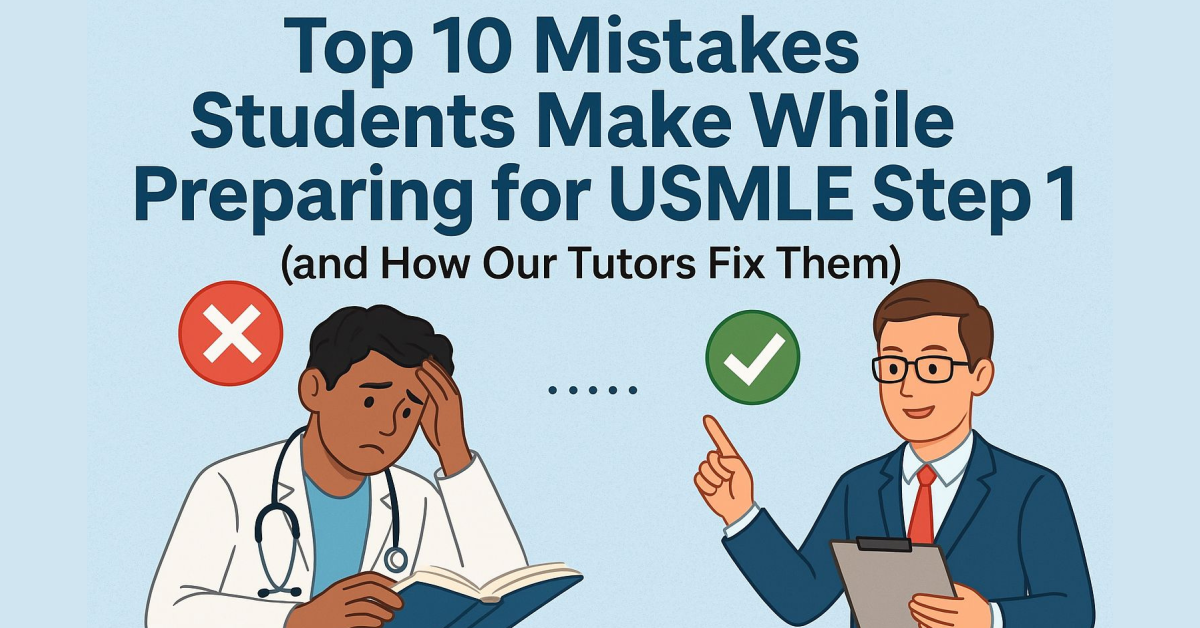
The USMLE Step 1 is more than just another exam. It is the gateway to your residency dreams and one of the biggest milestones in a medical student’s journey. Yet, even after months or years of preparation, many students underperform. It is not because they are not smart or dedicated, but because they fall into common and avoidable traps.
Our USMLE coach, including some of the best USMLE Step 1 tutors, have worked with hundreds of students from around the world, and we have noticed the same mistakes appearing again and again. The good news is that every one of these mistakes can be fixed with the right strategy, proper guidance, and a shift in mindset.
In this blog, we will go over the mistakes students make while preparing for Step 1 and explain how our classes help them avoid these pitfalls. Whether you are just starting your preparation or feeling stuck halfway through, these tips can save you time, improve your scores, and keep you on track for success.
Studying Without a Clear Plan
Many students begin Step 1 preparation by opening a book or watching videos without knowing what to tackle first or how much time to spend on each subject. This lack of structure often results in wasted hours, uneven topic coverage, and a stressful scramble as the exam date gets closer.
Our tutor helps by designing a customised study schedule based on your strengths, weaknesses, and timeline. We make sure high-yield topics get priority, practice tests are built in, and there’s enough time for proper review before test day.
Overreliance on Passive Learning
Many students spend hours reading textbooks, watching lectures, or highlighting notes, thinking they are making progress. The problem is that this passive approach often leads to poor retention and difficulty applying knowledge in exam scenarios.
Our coach replaces passive habits with proven, active learning techniques. We guide students through active recall, spaced repetition, and question-based practice using tools like flashcards and NBME-style questions, ensuring the information sticks and can be applied under real exam conditions.
Ignoring NBME-Style Practice Questions
A lot of students spend most of their time studying content and put off doing NBME-style questions until the last few weeks. The problem is, without regular practice, they struggle with the exam format, pacing, and the way questions are worded.
Our tutor makes sure practice questions are part of the plan right from the start. By taking timed NBME-style tests regularly, students get used to the format, build their test endurance, and learn how to approach tricky questions with confidence.
Neglecting Weak Areas
It’s natural for students to spend more time on the subjects they enjoy or feel confident about. Unfortunately, this often means their weaker areas get pushed aside until it’s too late. Ignoring these gaps can be risky, as Step 1 is designed to test a broad range of topics, and even a few weak spots can pull down the overall score.
Our tutor identifies these problem areas early through detailed performance tracking and analytics. Once the gaps are clear, we create targeted review plans with focused practice and concept reinforcement, turning weaknesses into strengths before exam day.
Memorising Without Understanding Concepts
Many students rely on rote memorization, thinking it’s the fastest way to cover material. While this might help recall facts temporarily, it often fails when questions require applying knowledge in unfamiliar or tricky scenarios.
Our coach focuses on building true understanding. We use clinical correlations, diagrams, and problem-solving exercises to connect facts with real-life applications. This approach not only improves retention but also equips students to tackle complex, multi-step questions with confidence on exam day.
Poor Time Management During Study and Exam
Many students spend far too much time on certain topics during prep or get stuck on tough questions during the exam. This can lead to rushed answers, skipped questions, and uneven coverage of the syllabus.
Our tutor helps students master time management by teaching practical allocation strategies for both study sessions and the exam itself. We incorporate timed practice tests and drills so students learn to pace themselves, prioritize effectively, and complete the exam with confidence and without last-minute panic.
Underestimating Step 1 Difficulty
Some students assume Step 1 is just a review of basic sciences and put off serious preparation until it’s almost exam time. This mindset often leads to cramming, stress, and missing out on the depth of understanding the test requires.
Our tutor addresses this early by giving students diagnostic tests that reveal their true readiness. We then prioritize high-yield topics and create a focused, realistic study plan so students start strong, stay consistent, and are fully prepared well before test day.
Final Thoughts
Success on the USMLE Step 1 is not just about how many hours you study, but about using the right strategies with proper guidance. The difference between an average score and an exceptional one often comes down to avoiding common mistakes and preparing in a focused, efficient way. Each of the “fixes” we’ve shared comes from years of proven tutoring experience, helping students worldwide reach their goals. With the right plan and expert support, you can approach Step 1 with confidence.